MFAT: Micro-fragmented Fat Therapy for Knee Pain
About MFAT
MFAT stands for micro-fragmented adipose tissue, also called micronised fat. Instead of using your blood, as PRP does, the treatment uses a small amount of your own fat.
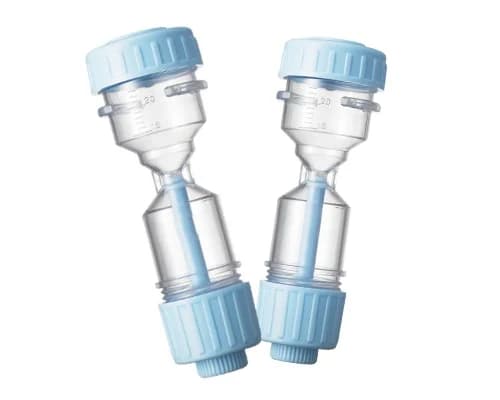
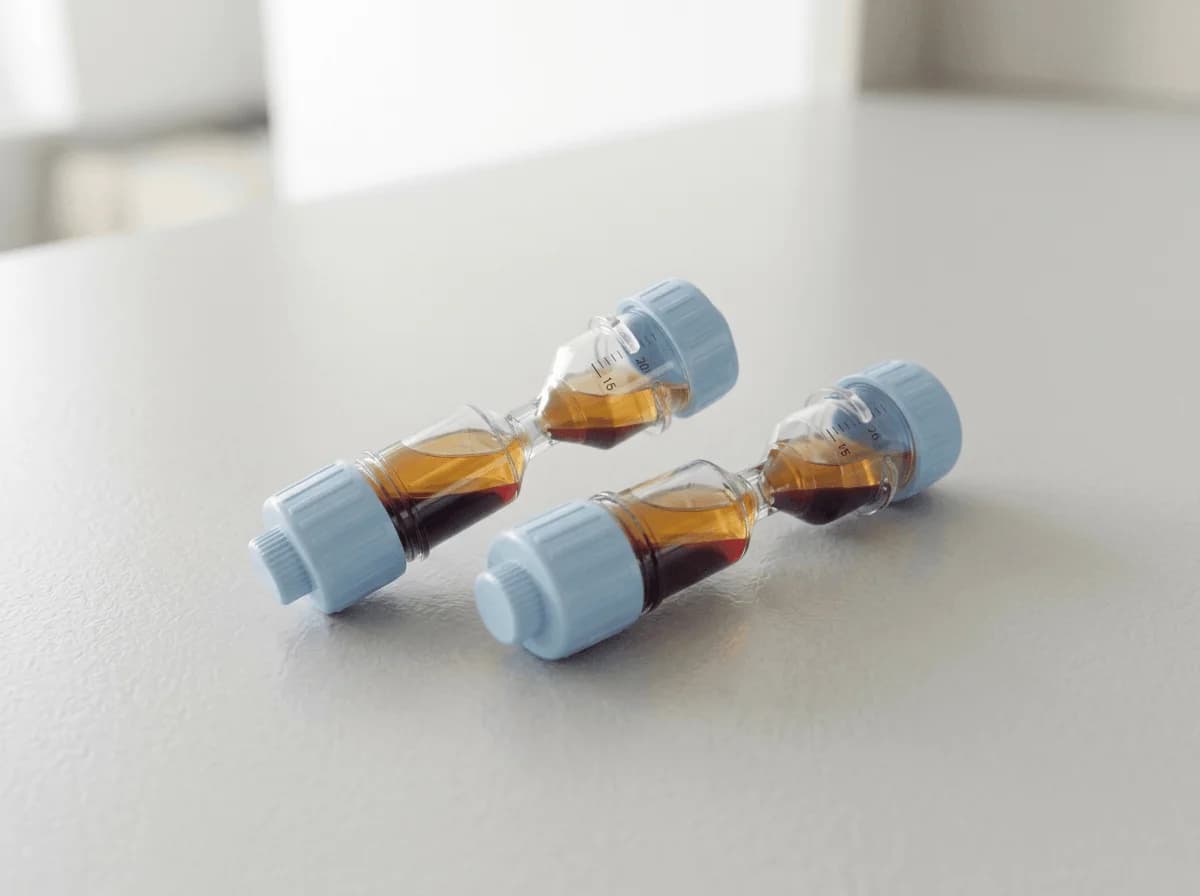
About 50 to 60 ml of fat is taken. Specialised kits break it down and separate the cells, which are then injected into the area that needs to heal: the knee joint for a knee problem, the shoulder for a shoulder injury, or the spine.
It is one of the advanced regenerative procedures at Regencare, alongside PRP, growth factor concentrate (GFC), Orthogen P and autologous conditioned serum (ACS). Your doctor will advise which one suits your condition.
How MFAT works
Fat harvest
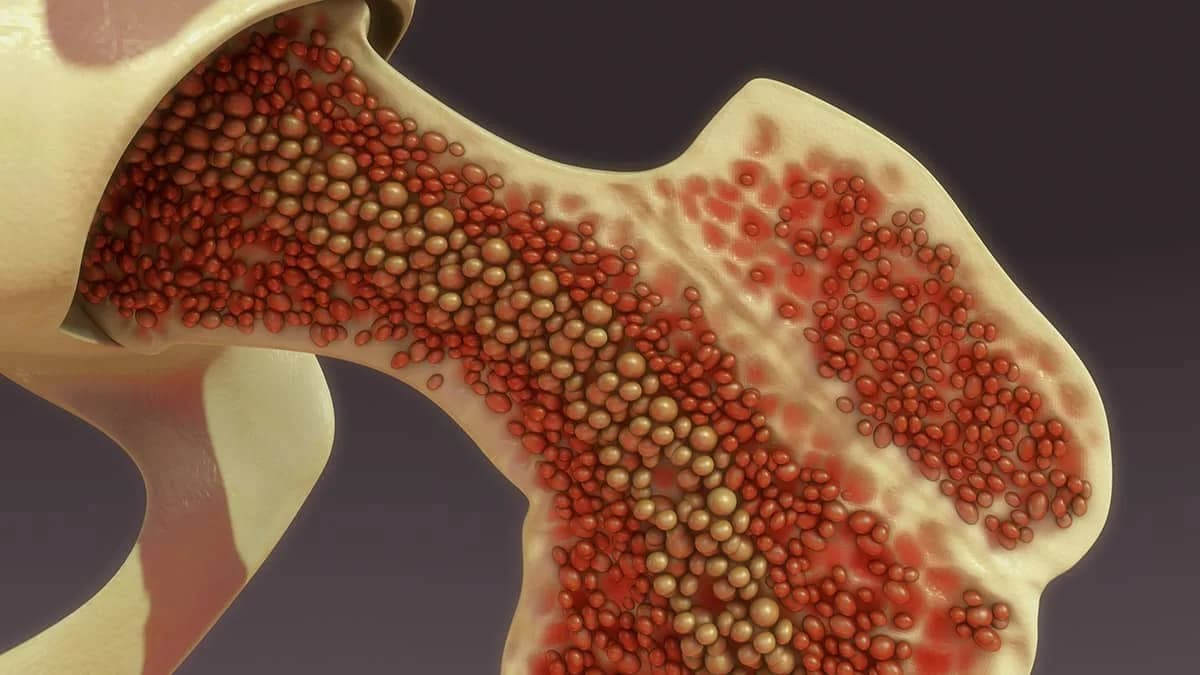
About 50–60 ml of fat is taken from your own body under local anaesthesia.
Processing
A specialised kit breaks the fat into tiny fragments and separates the cells.
Injection
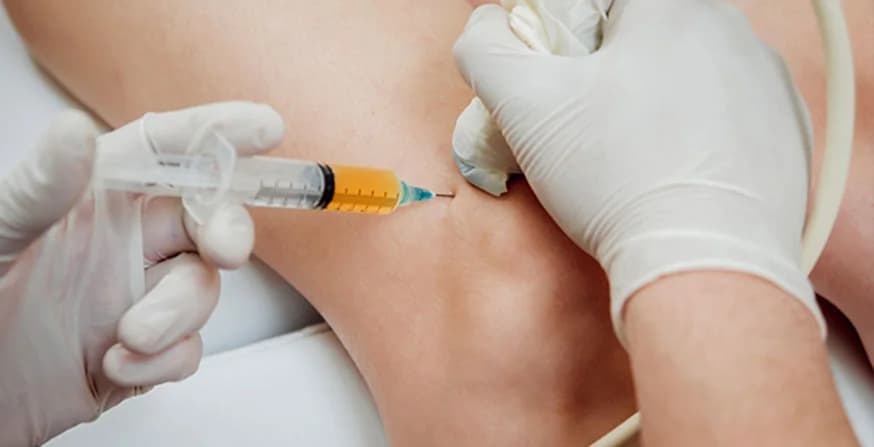
The processed fat is injected into the knee, shoulder or spine, where the problem is.
Conditions MFAT treats
Orthopaedics · Orthogen P
- Usually enough
- One sitting
- 2–3 hours
- Day care
Most often used for knee problems in younger patients; also used for shoulder and spine injuries.
Why patients choose MFAT
Your own tissue
Nothing foreign is injected: the treatment uses fat from your own body.
One sitting
Unlike treatments that need two or three sessions, MFAT is usually done once.
Progress you can see
Changes can be checked by comparing MRI scans taken before and after treatment.
What to expect
Step 1
Consultation
Your doctor examines the joint and reviews your scans to see if MFAT suits you.
Step 2 · 2–3 hours
Day-care procedure
Fat harvest, processing and injection in one visit. You go home the same day.
Step 3
Follow-up
Your doctor checks your progress and may compare a new MRI with the one taken before.
Who performs MFAT at Regencare

Questions about MFAT
Still unsure? Message us on WhatsApp.
MFAT (micro-fragmented adipose tissue, or micronised fat) is a regenerative treatment that uses a small amount of your own fat. The fat is processed with a specialised kit and injected into the injured joint.
It is mainly used for knee pain in younger patients: chondromalacia, meniscus injuries, partial ACL tears and cartilage damage. It can also be used for shoulder and spine problems. Your doctor will advise whether it suits you.
Usually one. Unlike some other regenerative treatments, MFAT does not normally need two or three sittings.
It is a day-care procedure that takes about 2 to 3 hours. You go home the same day.