
SLAP Tear: Causes, Symptoms, and Regenerative Treatment Options
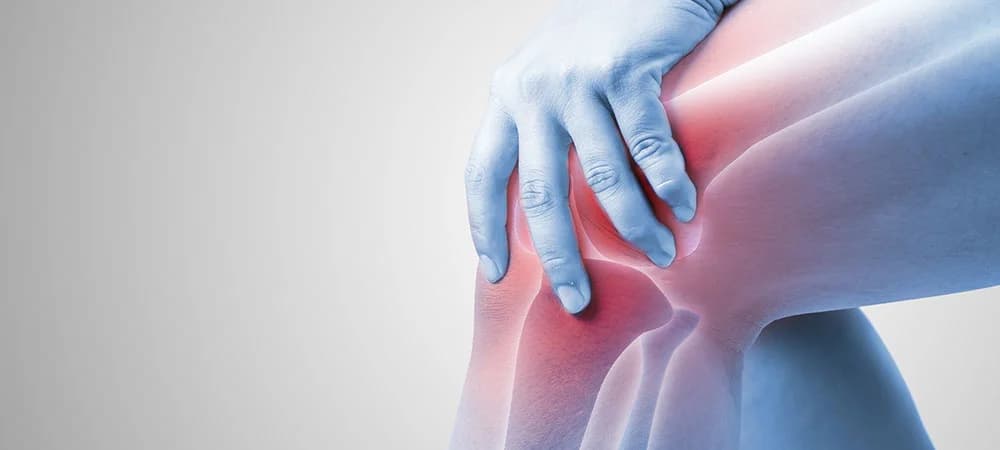
About SLAP tear
A SLAP tear (Superior Labrum Anterior to Posterior Tear) is an injury affecting the shoulder joint, specifically the labrum, which is a ring of cartilage that stabilizes the shoulder socket. This structure connects to the biceps tendon, playing a vital role in shoulder movement and function.
The labrum acts as a cushion, preventing the humeral head from dislocating and aiding in shoulder mobility. Damage to this structure can lead to pain, weakness, and instability.
What causes SLAP tear
Acute Trauma
A fall on an outstretched arm, or shoulder dislocation can tear the labrum. Untreated acute injury gets deepened, it may result in torn shoulder muscle.
Repetitive Motion Injuries
Athletes involved in throwing sports like baseball, tennis, volleyball or individuals performing manual labor are at higher risk.
Age-Related Degeneration
Over time, the labrum weakens, making it prone to injury, especially in individuals over 40. You should consult a shoulder orthopaedic surgeon if the labrum starts weakening.
How it is diagnosed
A SLAP tear diagnosis involves a combination of physical exams and imaging tests.
Physical Examination Tests
O’Brien’s Test
This test helps determine if the pain originates from the labrum. The patient extends their arm forward at shoulder height, turns the palm downward, and resists downward pressure applied by the doctor. If pain occurs in this position but reduces when the palm faces upward, it indicates a possible SLAP tear.
Crank Test
This test assesses the stability of the shoulder joint and detects labral tears. The doctor moves the patient’s arm in an overhead position while applying gentle rotational pressure. A clicking, grinding, or painful sensation suggests a labral injury, including a SLAP tear.
Speed’s Test: Speed’s Test is used to evaluate biceps tendon involvement in a SLAP tear. The patient extends their arm straight in front with the palm facing up. The doctor applies downward resistance while the patient tries to lift the arm. If pain is felt in the front of the shoulder, particularly near the bicipital groove, it may indicate a SLAP tear or biceps tendon injury.
Treating SLAP tear
- Regencare
PRP for SLAP Tear Repair
Platelet-Rich Plasma (PRP) is injected into the torn labrum to promote natural healing. It reduces inflammation, alleviates pain, and enhances tissue regeneration in the shoulder joint.
- Regencare
GFC (Growth Factor Concentrate) Therapy
GFC therapy delivers highly purified growth factors directly to the injured labrum, speeding up repair. It helps reduce pain, swelling, and improves collagen production for better shoulder stability.
- Regencare
BMAC (Bone Marrow Aspirate Concentrate) for Shoulder Pain
Bone marrow-derived regenerative cells support the healing of the torn labrum and surrounding tissues. BMAC Therapy id best suited for chronic or severe SLAP tears, improving long-term shoulder function.
- Regencare
SVF (Stromal Vascular Fraction) Therapy
Uses fat-derived regenerative cells to reduce inflammation in the shoulder joint. Helps in repairing the labrum and supporting surrounding soft tissues for improved movement.
- Regencare
Autologous Conditioned Serum
A natural anti-inflammatory treatment that helps reduce pain and swelling in the affected shoulder. It supports labrum healing and prevents further joint degeneration.
- Regencare
Autologous Cultured Osteoblast
Uses bone-forming cells (osteoblasts) to strengthen the shoulder joint and labrum. This therapy enhances bone and cartilage repair, improving overall shoulder stability after a SLAP tear.
What to expect
3-6 months
PRP Therapy
6+ months
Physical Therapy
6-12 months
Surgery
Recovery varies based on treatment
More about SLAP tear
In this section
- Understanding SLAP Tear
- Role of the Labrum in Shoulder Stability
- Difference Between SLAP Tear and Other Shoulder Injuries
- Common Causes of SLAP Tear
- What Leads to a SLAP Tear?
- SLAP Tear Classification & Severity Levels
- Types of SLAP Tears
- Symptoms of a SLAP Tear
- How to Recognize a SLAP Tear
- Diagnosing a SLAP Tear
- How is a SLAP Tear Diagnosed?
- Regenerative Medicine for SLAP Tear Treatment
- Can a SLAP Tear Heal Without Surgery?
- Surgical Treatment Options
- When is Surgery Necessary for a SLAP Tear?
- Arthroscopic SLAP Tear Repair
- Biceps Tenodesis (Alternative to SLAP Repair)
- Comparative Analysis of Regenerative Treatments vs. Surgery
- Table Comparing Treatment Outcomes
- SLAP Tear & Shoulder Biomechanics
- Rehabilitation & Recovery from SLAP Tear
- Post-Treatment Recovery Timeline
- Shoulder Exercises for Long-Term Healing
- Conclusion & When to Seek Medical Help
- Schedule a consultation with Regencare today!
Understanding SLAP Tear
Role of the Labrum in Shoulder Stability

Difference Between SLAP Tear and Other Shoulder Injuries
Unlike rotator cuff tears, which involve muscle and tendon damage, or Bankart lesions, which occur due to shoulder dislocations, SLAP tears primarily affect the superior labrum, impacting both stability and movement.
Common Causes of SLAP Tear
What Leads to a SLAP Tear?
A SLAP injury or superior labral tear can occur due to various reasons, including trauma, repetitive motion, and age-related degeneration.
SLAP Tear Classification & Severity Levels
Types of SLAP Tears
SLAP tears are classified into four main types, each with varying levels of severity related to shoulder anatomy. Types of SLAP tear are:
- Type I: Mild fraying (wearing away of tissues due to damage) of the labrum without detachment.
- Type II: Partial detachment of the labrum and biceps tendon.
- Type III: A bucket-handle tear where a section of the labrum folds into the joint.
- Type IV: A severe bucket-handle tear extending into the biceps tendon.
📌 Why It Matters: Identifying the SLAP tear classification or labrum injury grading helps determine whether regenerative medicine or surgical intervention is the best course of treatment.
Symptoms of a SLAP Tear
How to Recognize a SLAP Tear
SLAP tear symptoms that patients commonly experience are:
Diagnosing a SLAP Tear
How is a SLAP Tear Diagnosed?
- MRI with Contrast – Shoulder MRI (Magnetic Resonance Imaging) provides a detailed view of the labrum.
- X-rays – Rule out bone-related injuries.
- Differentiation from Other Shoulder Injuries: A SLAP tear is often confused with rotator cuff injuries or frozen shoulder, making proper diagnosis crucial. You should consult a best shoulder doctor to diagnose the problem and get a proper treatment plan.
Regenerative Medicine for SLAP Tear Treatment
Can a SLAP Tear Heal Without Surgery?
Mild to moderate SLAP tears can heal with regenerative medicine, which enhances the body’s natural healing process. Let’s know more about regenerative medicine for shoulder injuries
Surgical Treatment Options
When is Surgery Necessary for a SLAP Tear?
- Surgery is considered when non-surgical treatments like physical therapy or regenerative medicine fail to relieve pain.
- The choice of SLAP tear surgery depends on the severity of the tear and the patient’s activity level. Through this procedure SLAP tear repair is possible through proper care.
Arthroscopic SLAP Tear Repair
- A minimally invasive shoulder surgery where the torn labrum is stitched back to the shoulder socket.
- Patients can expect gradual recovery, with physical therapy playing a crucial role in regaining strength and mobility.
Biceps Tenodesis (Alternative to SLAP Repair)
- In cases of severe labral damage, the biceps tendon is reattached to a different part of the shoulder to relieve pain.
- It is often recommended for older adults or individuals with degenerative labrum injuries to improve shoulder function.
Comparative Analysis of Regenerative Treatments vs. Surgery
Table Comparing Treatment Outcomes:
Treatment | Healing Time | Effectiveness | Best for | Risks |
|---|---|---|---|---|
PRP Therapy | 3-6 months | High | Athletes, mild SLAP tears | Minimal |
GFC Therapy | 3-6 months | Moderate | Degenerative labral tears | Minimal |
BMAC Therapy | 6+ months | High | Chronic or large SLAP tears | Mild discomfort |
Arthroscopic SLAP Repair | 6-12 months | High | Severe SLAP tears | Risk of stiffness |
Biceps Tenodesis | 6-12 months | High | Older patients with degenerative tears | Risk of reduced strength |
📌 Benefit: This visual comparison helps users decide between regenerative vs. surgical treatments.
SLAP Tear & Shoulder Biomechanics:
How It Affects Movement
- How a SLAP Tear Weakens the Shoulder Joint A SLAP tear damages the labrum, which plays a key role in stabilizing the shoulder. This can lead to joint looseness, pain, and reduced strength, making daily activities difficult.
- The Role of the Rotator Cuff in SLAP Tear Recovery The rotator cuff muscles support shoulder movement and stability. After a SLAP tear, these muscles often become overworked, leading to further strain. Strengthening the rotator cuff is crucial for proper healing and preventing re-injury.
- Why Labral Injuries Impact Overhead Movements The labrum helps keep the shoulder joint in place during overhead movements. When torn, it can cause instability, pain, and a sensation of catching or clicking when lifting the arm, making activities like throwing, swimming, or lifting weights difficult.
Rehabilitation & Recovery from SLAP Tear
Post-Treatment Recovery Timeline
- Physical Therapy: 6+ months
- Surgery: 6-12 months
Shoulder Exercises for Long-Term Healing
Proper shoulder exercises play a crucial role in post-SLAP tear rehab, helping restore strength, flexibility, and stability. Here are some of the best at-home exercises for SLAP tear recovery:
- Gentle stretches: People should involve in physical exercises like gentle stretches for shoulder pain
- Pendulum Swings – Gently move the arm in small circles while bending forward. This improves mobility without straining the shoulder.
- Isometric Shoulder Rotations – Press the hand against a wall without moving the arm to strengthen stabilizing muscles.
- Wall Walks – Slowly Walk your fingers up a wall to improve shoulder flexibility and range of motion.
- Scapular Squeeze – Pull shoulder blades together to enhance posture and stability.
- Resistance Band External Rotations – Strengthens rotator cuff muscles for better joint support.
Conclusion & When to Seek Medical Help
A SLAP tear can be effectively managed with regenerative medicine or surgical intervention, depending on severity. At Regencare, we specialize in cutting-edge regenerative treatments. Book a consultation today to explore the best solution for your shoulder pain.
Schedule a consultation with Regencare today!
Schedule a consultation today to explore personalized, non-surgical treatments tailored to your needs.
Your specialist

Dr. Vineeth M B
MBBS, MS Ortho
Founder · Orthopaedics
Bringing healthcare facilities to the ones who need it the most
Get expert treatment in Orthopedics & Dermatology.
- Kochi
- Kozhikode
- +91 73065 67548