
Golfer’s Elbow: Causes, Symptoms, and Treatment Options
About golfer's elbow
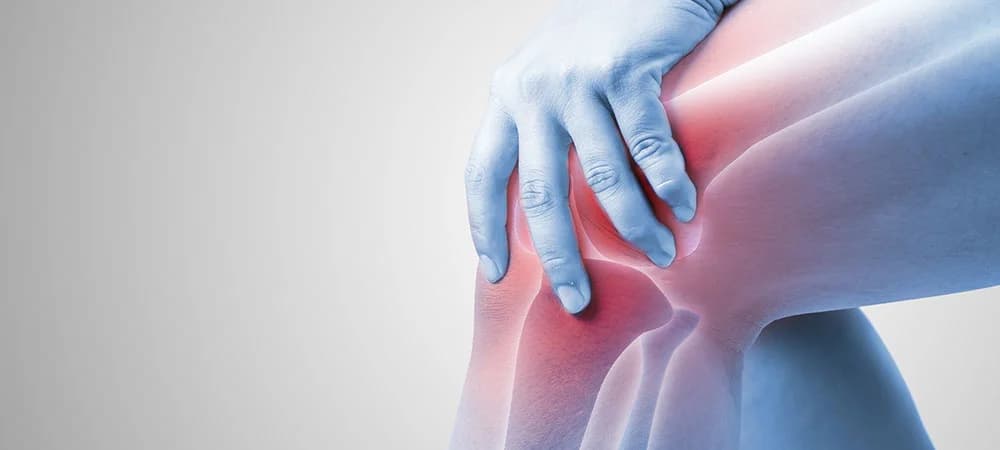
Golfer’s elbow, medically known as medial epicondylitis, is a painful condition that affects the tendons on the inner side of the elbow. It occurs due to repetitive stress or overuse of the forearm muscles, leading to inflammation and micro-tears in the tendons. This condition is not limited to golfers; tennis players, weightlifters, and individuals performing repetitive hand movements can also develop golfer's elbow. Unlike tennis elbow, which affects the outer elbow, golfer's elbow causes inner elbow pain and discomfort during gripping or wrist flexion.
How it is diagnosed
Physical examination
Assessing pain response by pressing the medial epicondyle and testing wrist flexion against resistance.
Elbow pain tests
Specific movement tests to evaluate pain levels and tendon function.
Imaging tests: X-rays, MRI tests
are medical imaging procedures used to diagnose and monitor fractures, arthritis, or nerve compression issues.
Treating golfer's elbow
Can Golfer’s Elbow Heal Without Surgery? Regenerative Solutions
Regenerative medicine is transforming the way we treat tendon injuries like golfer’s elbow. Instead of relying on painkillers or invasive surgery, biological therapies help the body heal naturally.
- Regencare
Platelet-Rich Plasma (PRP) Therapy for Golfer’s Elbow
PRP therapy is a non-surgical golfer’s elbow treatment that accelerates healing. It involves: Drawing a small amount of the patient’s blood. Extracting platelets rich in growth factors. Injecting PRP into the injured tendon to reduce inflammation and promote healing. Studies show that PRP for golfer’s elbow improves pain and function significantly, especially in chronic cases. Studies show that PRP for golfer’s elbow improves pain and function significantly, especially in chronic cases.
- Regencare
Growth Factor Therapy for Elbow Tendon Repair
Growth Factor Concentrate (GFC) therapy enhances tissue regeneration by delivering highly concentrated healing proteins directly to the damaged tendon. Benefits of GFC include: Faster tendon repair. Reduced inflammation. Long-lasting pain relief. This therapy is particularly effective for chronic golfer’s elbow relief when combined with rehabilitation.
- Regencare
Stem Cell Therapy for Tendon Regeneration
Stem cell therapy offers healing for golfer’s elbow naturally by: Repairing tendon fibers and reducing scar tissue formation. Enhancing collagen production for stronger tendons. Providing long-term relief from chronic elbow pain. Clinical studies highlight its potential for patients who have severe or non-healing golfer’s elbow.
- Regencare
Bone Marrow Aspirate Concentrate (BMAC) Therapy for Golfer’s Elbow
BMAC therapy is an advanced regenerative solution that harnesses the body's own stem cells and growth factors from the bone marrow to repair damaged tendons. The process includes: Extracting bone marrow from the hip bone. Processing it to concentrate healing cells and growth factors. Injecting BMAC into the affected elbow tendon to stimulate repair. BMAC therapy enhances tendon regeneration, reduces inflammation, and provides long-term golfer’s elbow relief, particularly for chronic cases.
- Regencare
Stromal Vascular Fraction (SVF) Therapy for Golfer’s Elbow
SVF therapy involves using adipose (fat-derived) stem cells to promote tendon healing and regeneration. The procedure includes: Extracting a small amount of fat from the patient’s body. Isolating SVF, which contains regenerative stem cells and growth factors. Injecting SVF into the injured elbow tendon to accelerate healing. SVF therapy reduces chronic pain, improves mobility, and is effective for persistent golfer’s elbow cases where other treatments have failed.
Autologous Conditioned Serum (ACS) for Golfer’s Elbow
ACS therapy leverages anti-inflammatory proteins and growth factors from the patient’s own blood to promote tendon healing. The benefits of ACS include: Blocking inflammatory pathways to reduce elbow pain. Enhancing tissue repair and tendon regeneration. Providing long-term relief for chronic golfer’s elbow patients. ACS is a promising non-surgical golfer’s elbow treatment for those suffering from prolonged tendon inflammation and damage.
Autologous Cultured Osteoblast Therapy
Osteoblast therapy focuses on strengthening tendon attachments by using lab-cultured osteoblasts (bone-forming cells). The procedure involves: Extracting a small bone sample from the patient. Culturing osteoblasts to enhance their regenerative potential. Injecting them into the affected tendon to reinforce attachment and prevent further degeneration.
- Non-Surgical Treatment Options
Alternative Treatments for Golfer’s Elbow Without Surgery
Many cases of golfer’s elbow improve with conservative treatments. These include:
- Non-Surgical Treatment Options
Physical Therapy & Strengthening Exercises
Stretching exercises are crucial for golfer’s elbow recovery. Strengthening exercises for golfer’s elbow include: Eccentric wrist flexion exercises to improve tendon resilience. Forearm stretches to relieve tightness and reduce strain. Grip-strengthening exercises for better function and support. These golfer’s elbow workouts help restore movement and prevent future injuries.
- Non-Surgical Treatment Options
Bracing & Immobilization
For pain relief and support, counterforce elbow braces help by reducing strain on the affected tendon. Doctors may also recommend temporary immobilization to allow healing.
What to expect
6 weeks to several months
Recovery depends on the procedure but typically includes physical therapy to restore strength.
More about golfer's elbow
In this section
- Introduction to Golfer’s Elbow
- Symptoms of Golfer’s Elbow
- Common Golfer’s Elbow Symptoms include
- Diagnosing Golfer’s Elbow
- Lifestyle Modifications & Home Remedies
- Surgical Treatment Options
- When is Surgery Necessary for Golfer’s Elbow?
- Minimally Invasive Surgical Techniques
- Post-Surgery Recovery & Rehabilitation
- Preventing Golfer’s Elbow
- How to Avoid Golfer’s Elbow Recurrence
- Conclusion
- When Should You See a doctor?
Introduction to Golfer’s Elbow

Symptoms of Golfer’s Elbow
Common Golfer’s Elbow Symptoms include:
These symptoms gradually develop over time and worsen with repetitive activities like gripping, swinging, or lifting weights.
Diagnosing Golfer’s Elbow
How is Golfer’s Elbow Diagnosed?
A proper diagnosis is essential to distinguish golfer’s elbow from other elbow conditions. For Diagnosing Golfer’s elbow doctors’ use:
Early diagnosis allows for effective medial epicondylitis treatment and prevents chronic damage.
Lifestyle Modifications & Home Remedies
The best thing for golfer’s elbow is making lifestyle changes. This includes:
- Resting the affected arm to prevent further irritation.
- Applying ice therapy is a procedure to reduce inflammation.
- Incorporating anti-inflammatory foods like omega-3-rich fish, turmeric, and leafy greens to support tendon healing.
Surgical Treatment Options
When is Surgery Necessary for Golfer’s Elbow?
Surgery is considered when non-surgical treatments fail after 6-12 months. Key indicators for surgery include:
- Persistent pain despite treatment.
- Severe tendon degeneration or tearing.
Minimally Invasive Surgical Techniques
- TENEX Procedure: Uses ultrasound guidance to remove damaged tissue without major surgery.
- Arthroscopic Tendon Repair: Removes damaged tendon tissue and stimulates new growth.
Post-Surgery Recovery & Rehabilitation
Recovery depends on the procedure but typically includes physical therapy to restore strength. The golfer’s elbow recovery timeline varies from 6 weeks to several months.
Preventing Golfer’s Elbow
How to Avoid Golfer’s Elbow Recurrence
Prevention strategies include:
- Proper warm-ups and stretching before activities.
- Correct sports technique to reduce tendon strain.
- Using ergonomic sports equipment to minimize overuse injuries.
Conclusion
Golfer’s elbow can significantly impact daily activities and athletic performance, but with the right treatment, recovery is possible. Regenerative therapies like PRP, GFC, BMAC, SVF, Autologous Conditioned Serum, and Autologous Cultured Osteoblast therapy provide advanced, non-surgical solutions that promote natural healing, reduce pain, and restore tendon function.
If you’re experiencing persistent elbow pain, seeking early medical intervention is crucial. Regencare specializes in cutting-edge regenerative medicine to help you heal faster and get back to doing what you love.
Schedule a consultation today and take the first step toward a pain-free future.
When Should You See a doctor?
If elbow pain persists despite rest and home treatments, it is essential to consult a specialist. Regencare offers expert regenerative solutions for fast and effective golfer’s elbow pain relief.
Book a Consultation Today!
Book a consultation today for personalized treatment options and a pain-free future!
Your specialist

Dr. Vineeth M B
MBBS, MS Ortho
Founder · Orthopaedics
Bringing healthcare facilities to the ones who need it the most
Get expert treatment in Orthopedics & Dermatology.
- Kochi
- Kozhikode
- +91 73065 67548